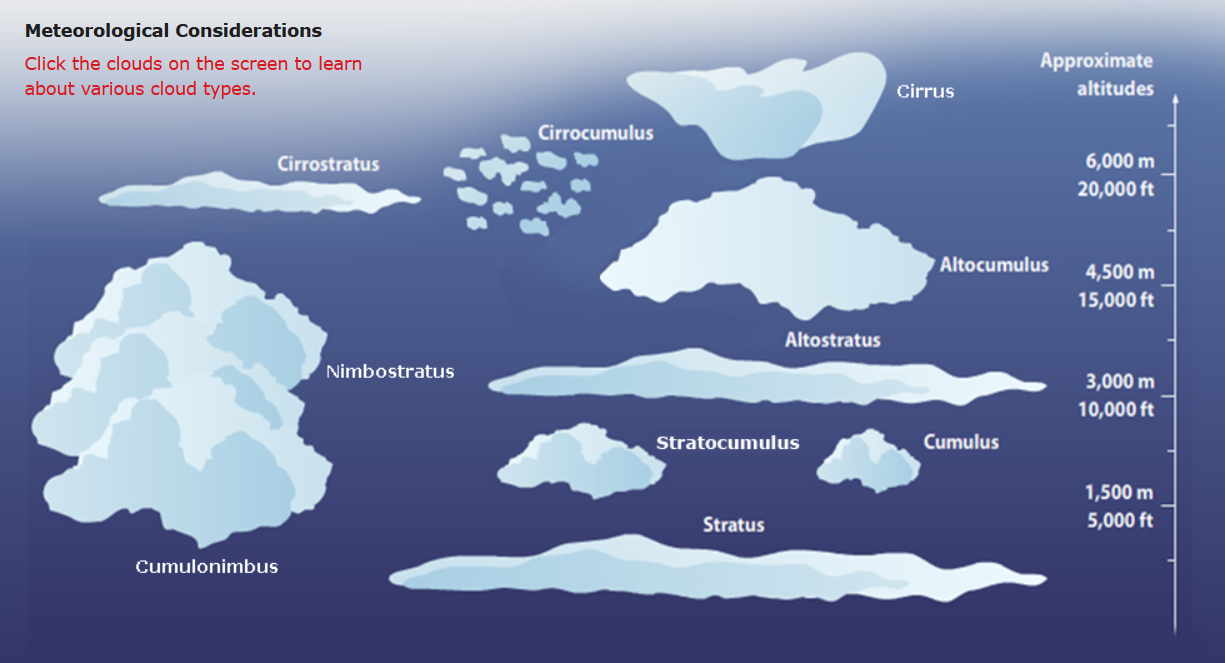
The dangers of precipitation and icing shouldn’t be underestimated. Statistics claim major accidents occurred due to ice accumulation.
Learn More
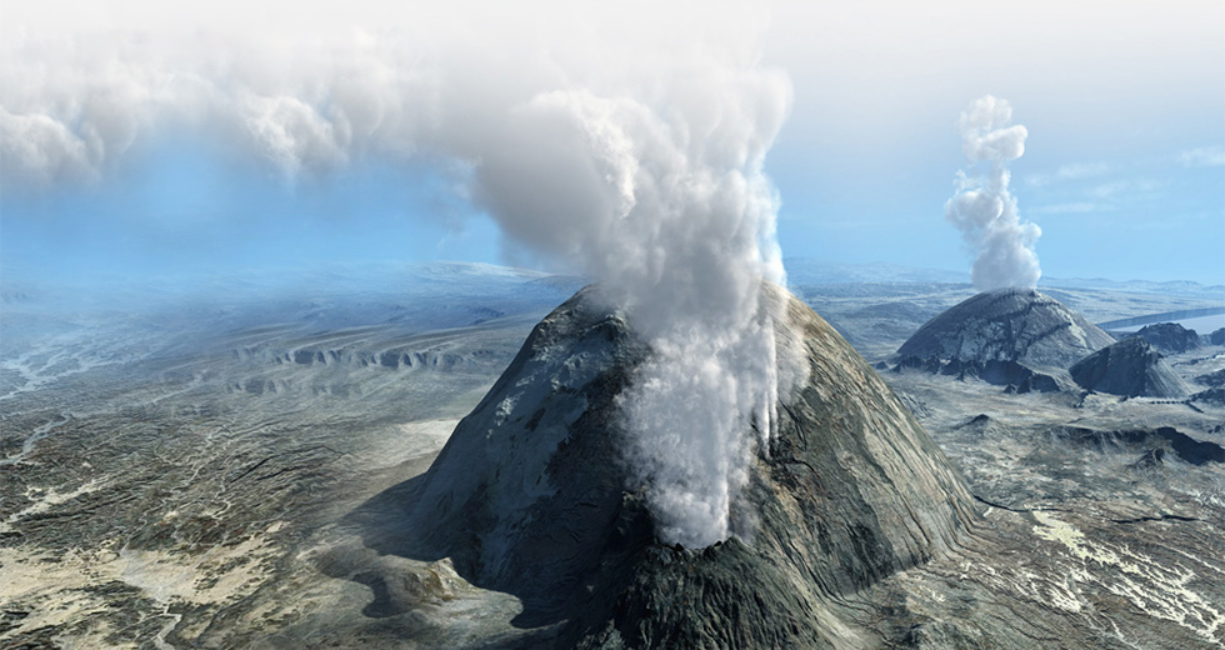
This course on Volcanic Ash helps to identify the hazards of volcanic ash and its effect on an aircraft. The…
Learn More

This course explains airplane upset, its causes, aerodynamic principles relevant to it, relevant high-altitude operations and recovery techniques.
Learn More

This course on thunderstorm avoidance explains the hazards of thunderstorm to flight operations and ways to mitigate the hazards.
Learn More
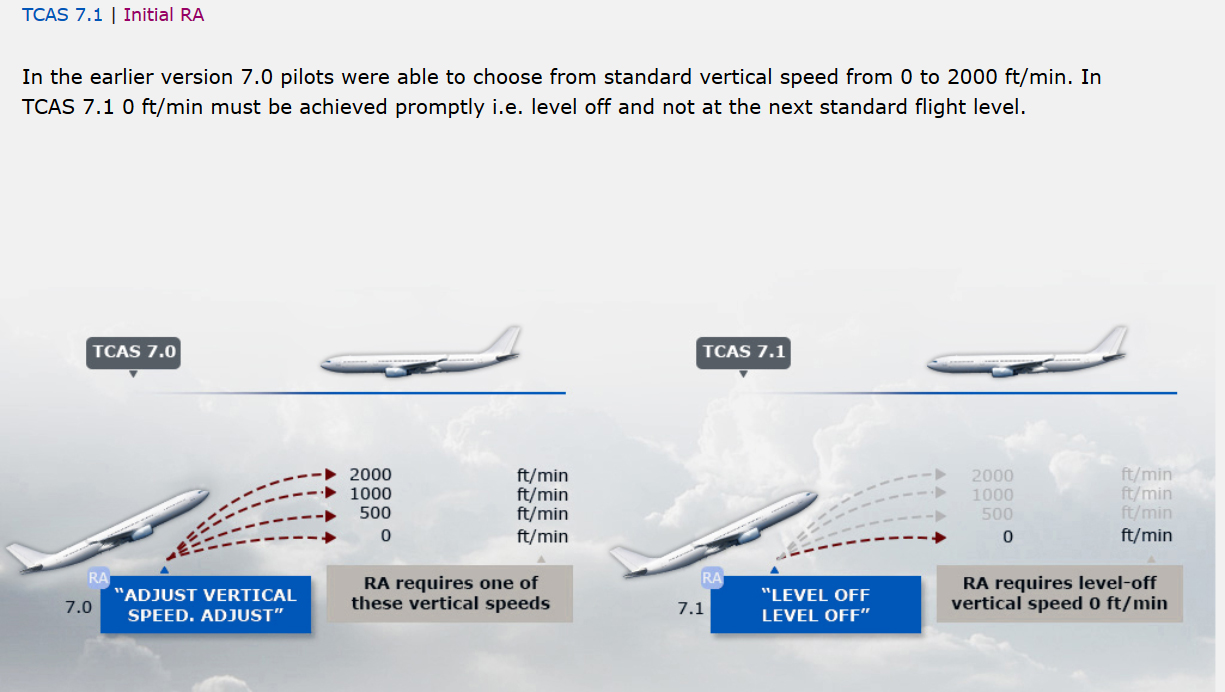
Traffic Collision Avoiding System (TCAS) is an aircraft collision system designed to reduce the incidence of mid-air collision between aircrafts.
Learn More
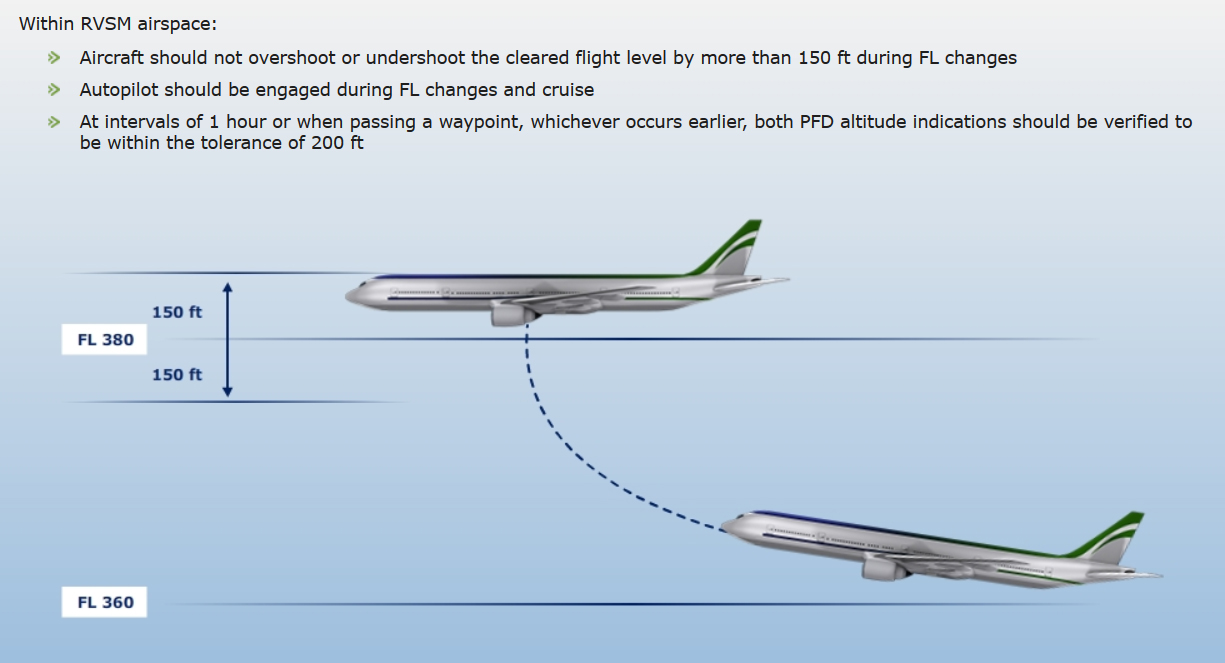
The Reduced Vertical Separation Minimum (RVSM) Operations course explains the fundamentals of RVSM, normal and contingency procedures and some regional…
Learn More

The Required Navigation Performance Authorization Required (RNP AR) course explains the fundamentals of RNP AR, requirements and procedures.
Learn More

Area Navigation, or RNAV, is the navigation method in which aircraft can fly any desired path within the coverage of…
Learn More
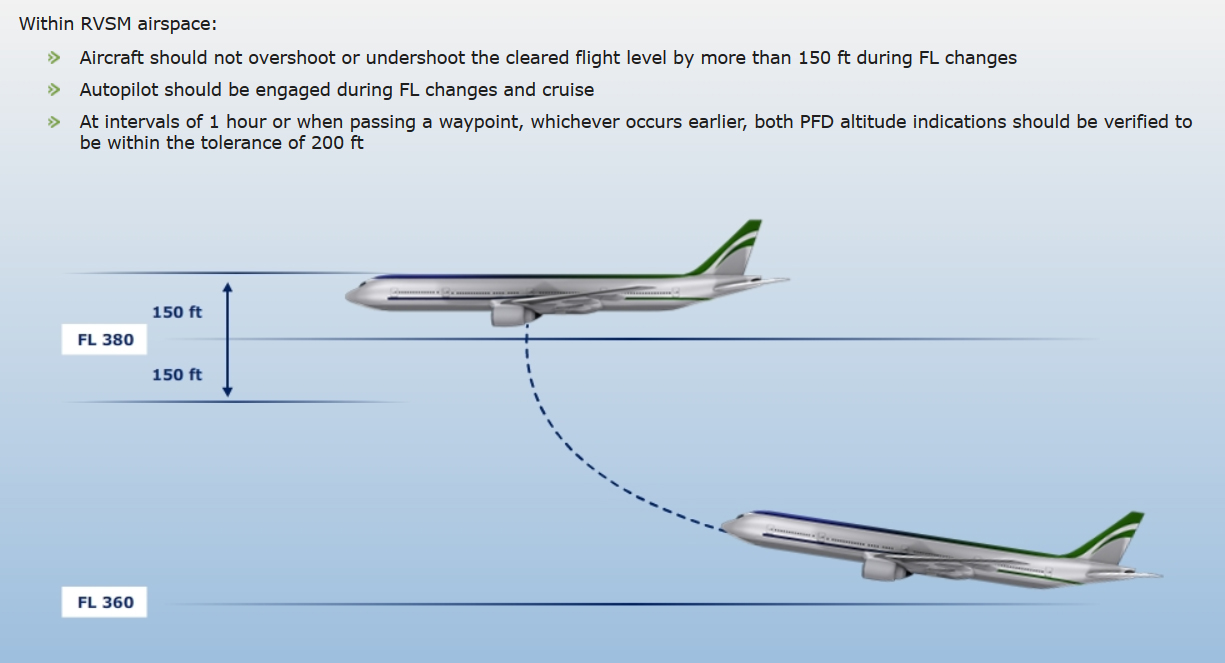
The Reduced Vertical Separation Minimum (RVSM) course explains the fundamentals of RVSM, requirements and normal and contingency procedures.
Learn More

NORTH ATLANTIC OPERATIONS / MNPS
Topics Covered: Introduction, General, Flight Planning Output.
Learn More
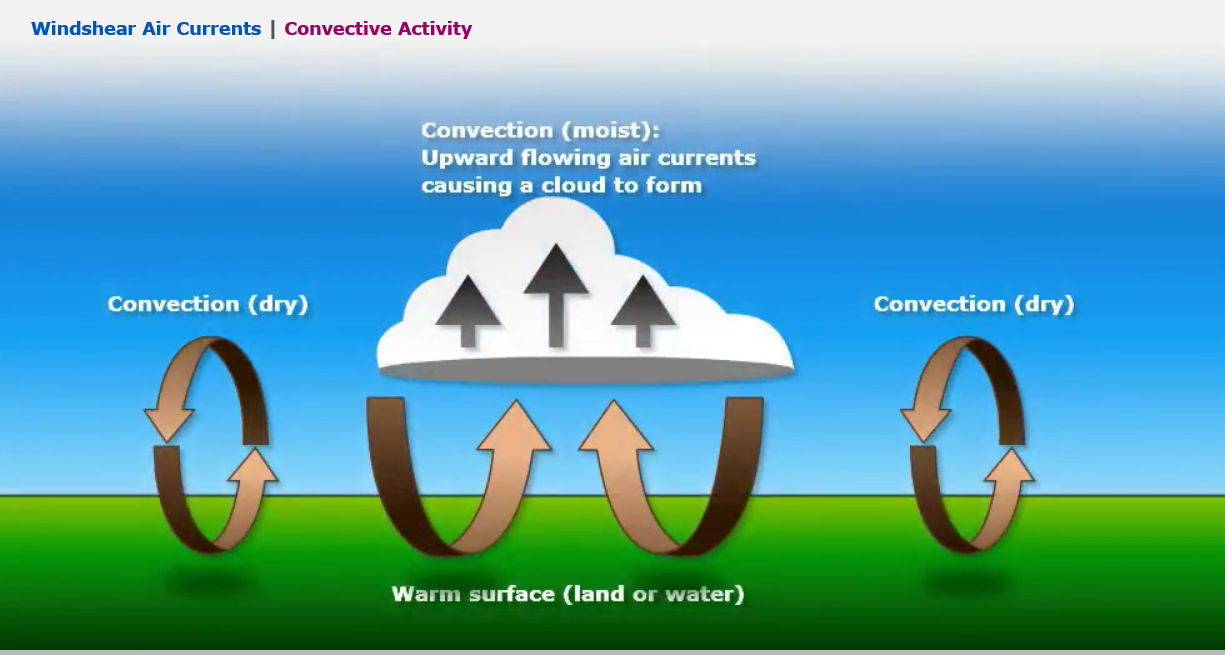
Windshear is a meteorological phenomenon that plays an important role during take-off and landing of an aircraft and is one…
Learn More

To keep an aerodrome operating safely when visibility is poor, Low Visibility Operations (LVO) has to be applied.
Learn More